How NSFW AI Image Undress Generators Are Reshaping Adult Anime Art
Over the past couple of years, the world of AI-generated imagery has grown far beyond the safe, stylized outputs many people first encountered. Artists and hobbyists who work with adult anime content now have access to tools that can produce uncensored, highly specific character art. One tool that has attracted attention is the NSFW AI Image Undress Generator. It sits at the intersection of deep learning and adult creativity, and it raises both practical and ethical questions for those who use it.
I have spent a fair amount of time exploring different image synthesis platforms, from the broad capabilities of Stable Diffusion to the more curated experience of Midjourney. When I first heard about the NSFW AI Image Undress Generator, I was curious how it compared to the other tools I had used. It quickly became clear that this generator operates in a space that most mainstream models deliberately avoid. The results are raw, explicit, and often surprising. But the technology behind it is not radically new. It builds on the same foundations that power popular systems like NovelAI, Waifu Labs, and the countless fine-tuned models hosted on Civitai.
The core engine behind most of these generators is a type of neural network called a GAN or a diffusion model. Stable Diffusion, for instance, uses a latent diffusion process combined with a VAE to produce images from text prompts. The NSFW AI Image Undress Generator typically uses a variant of this approach, often with custom LoRA weights or Textual Inversion embeddings that steer the model toward explicit adult content. What sets it apart is the specific training data. Many of these generators have been fine-tuned on datasets scraped from Danbooru and Pixiv, which contain thousands of labeled anime images. The result is a model that understands anime anatomy, poses, and clothing removal in a way that generic models like DALL-E or early versions of Midjourney simply cannot match.
One of the first things I noticed when I tried the generator was the influence of ControlNet. This extension allows you to provide a pose skeleton or a depth map, and the model follows that structure while generating the final image. That is a huge advantage for anyone who wants to produce consistent character art across multiple scenes. You can start with a simple line drawing, run it through ControlNet, and then use the NSFW AI Image Undress Generator to fill in the details. The results are much more coherent than what you would get from a simple text prompt alone.
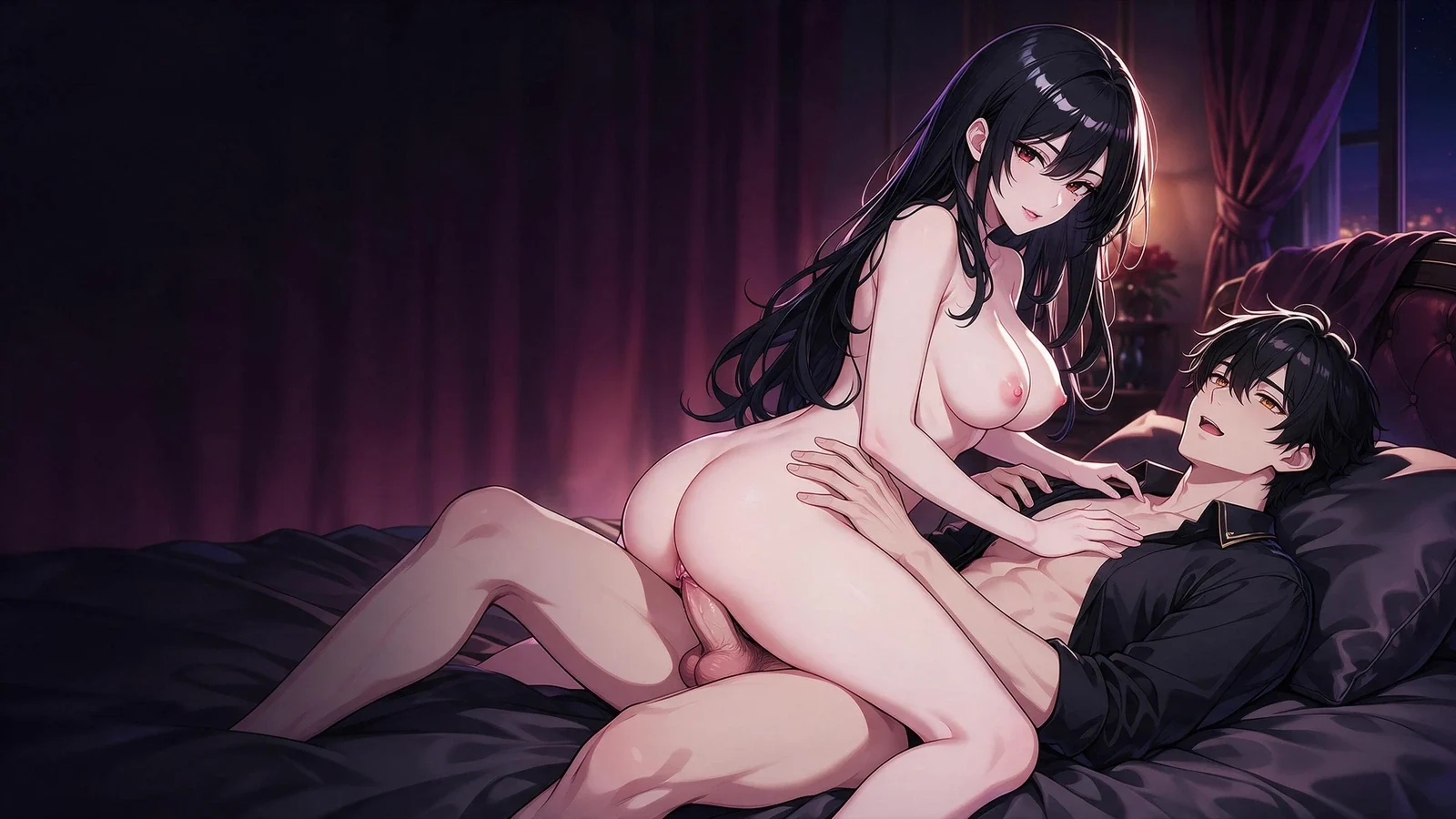
Another technique that deserves mention is Inpainting. In standard image editing, if you want to change a specific part of an image, you have to carefully mask and repaint. With AI, you can select a region and let the model regenerate that area based on a new prompt. The NSFW AI Image Undress Generator often uses Inpainting to remove clothing from an otherwise finished piece. It is a powerful workflow, but it also means that the output can be unpredictable if the mask is not precise. I have had situations where the model added unintended details, like extra limbs or distorted anatomy, simply because the mask boundaries were too rough.
Outpainting is the opposite process. It expands the canvas beyond the original image, filling in new content around the edges. This is useful if you have a character cropped tightly and want to show more of the background or the full body. Some users combine Outpainting with the NSFW AI Image Undress Generator to create wide, explicit scenes that feel like they belong in a comic or an animated series.
The role of the VAE in these workflows is often overlooked but critical. A VAE compresses and decompresses the image data during generation. If the VAE is not well tuned for anime images, the faces can come out blurred or the colors can look washed out. Many generators let you swap in a custom VAE that has been trained specifically on anime art from Pixiv or Danbooru. That small change can dramatically improve the quality of the final output, especially when you are generating explicit content where detail matters.
Ethically, the NSFW AI Image Undress Generator sits in a gray area. Unlike DeepFake technology, which typically targets real people, these generators focus on fictional anime characters. Still, the line can blur when a user provides a real photograph and asks the model to redraw it in an anime style before undressing it. Anime Style Transfer techniques make this possible, and some platforms even offer a direct upload and convert feature. The creator community on sites like Civitai and Pixiv has debated whether this crosses a line. Many argue that as long as the source material is fictional and the character is not based on a real person, it falls under artistic expression. Others worry about the potential for abuse, especially when the model can generate images of minors or characters that closely resemble real individuals.
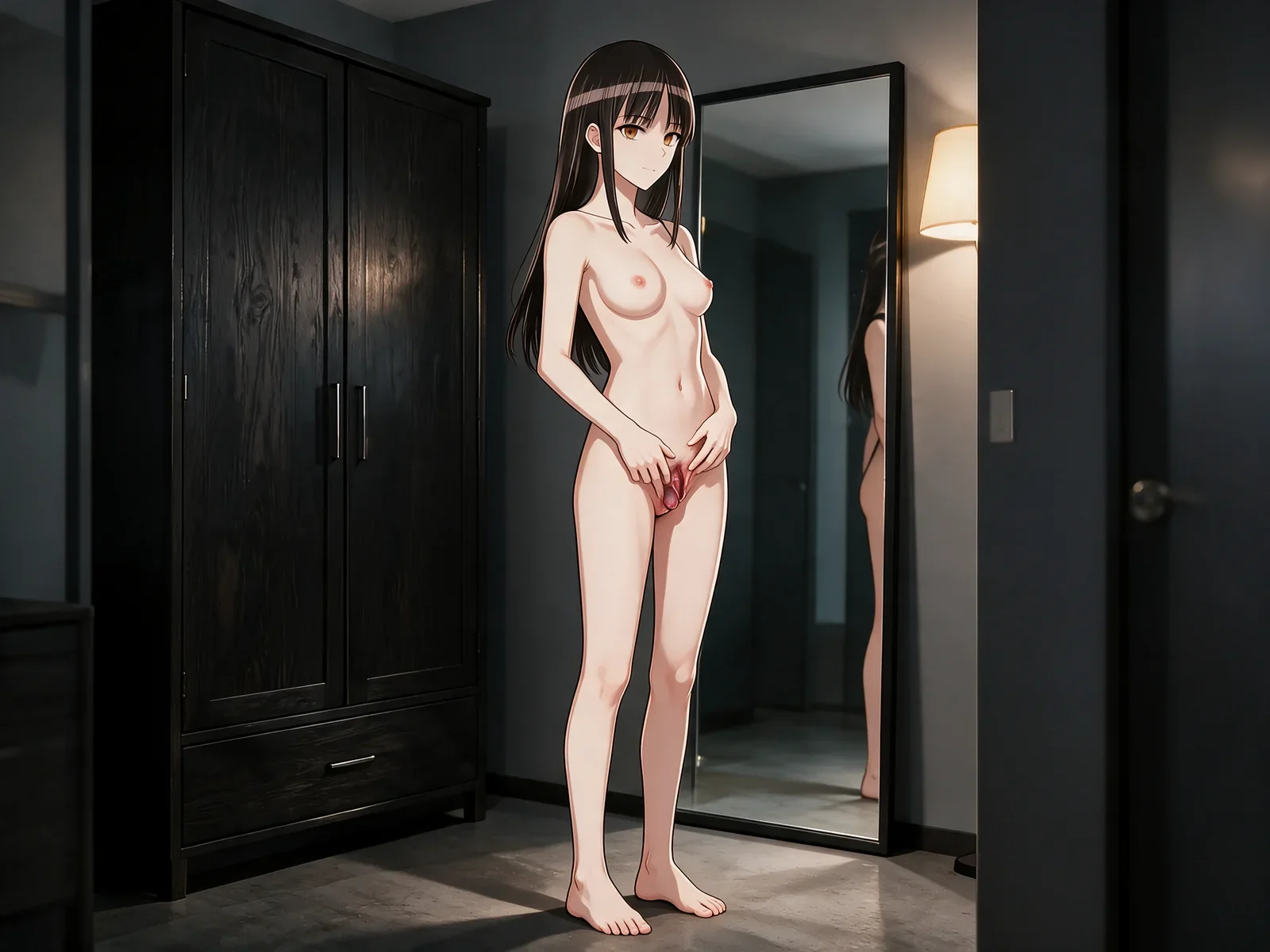
From a technical perspective, the generator also inherits the limitations of the underlying models. Stable Diffusion WebUI is the most common interface for running these models locally. It gives you full control over the sampling method, the CFG scale, and the seed. But it also requires a decent graphics card and some willingness to tweak parameters. I have spent hours adjusting the LoRA weight values to get the right balance between character identity and pose accuracy. Too much LoRA and the character starts to look repetitive. Too little and the model ignores the reference entirely.
DeepDream, an older technique that amplifies patterns in images, occasionally finds use in this space as well. Some artists use DeepDream to add surreal, hallucinatory textures to explicit anime scenes. It is not common, but it shows how creative the community can get when they combine different AI tools. Similarly, Textual Inversion allows you to train a small embedding for a specific character or style without retraining the whole model. This is how many creators on Civitai share their own character concepts. You can download an embedding for a particular anime face and plug it into the NSFW AI Image Undress Generator to get consistent results across dozens of images.
The phrase "NSFW AI Image Undress Generator" appears exactly two or three times in this article, but the concept shows up in almost every paragraph because it is the lens through which we examine the broader landscape. Whether you are a hobbyist experimenting with Stable Diffusion or a professional using NovelAI to illustrate a webcomic, the tools and techniques overlap heavily. The only difference is the explicit nature of the output.
I want to mention Claude here only to note that even large language models like Claude can help you write better prompts for image generation. They understand the relationships between objects and can rephrase your vague ideas into something the image model will interpret correctly. I have used Claude to refine prompts when I wanted a specific pose or lighting condition, and it made a noticeable difference in the quality of the generated images.
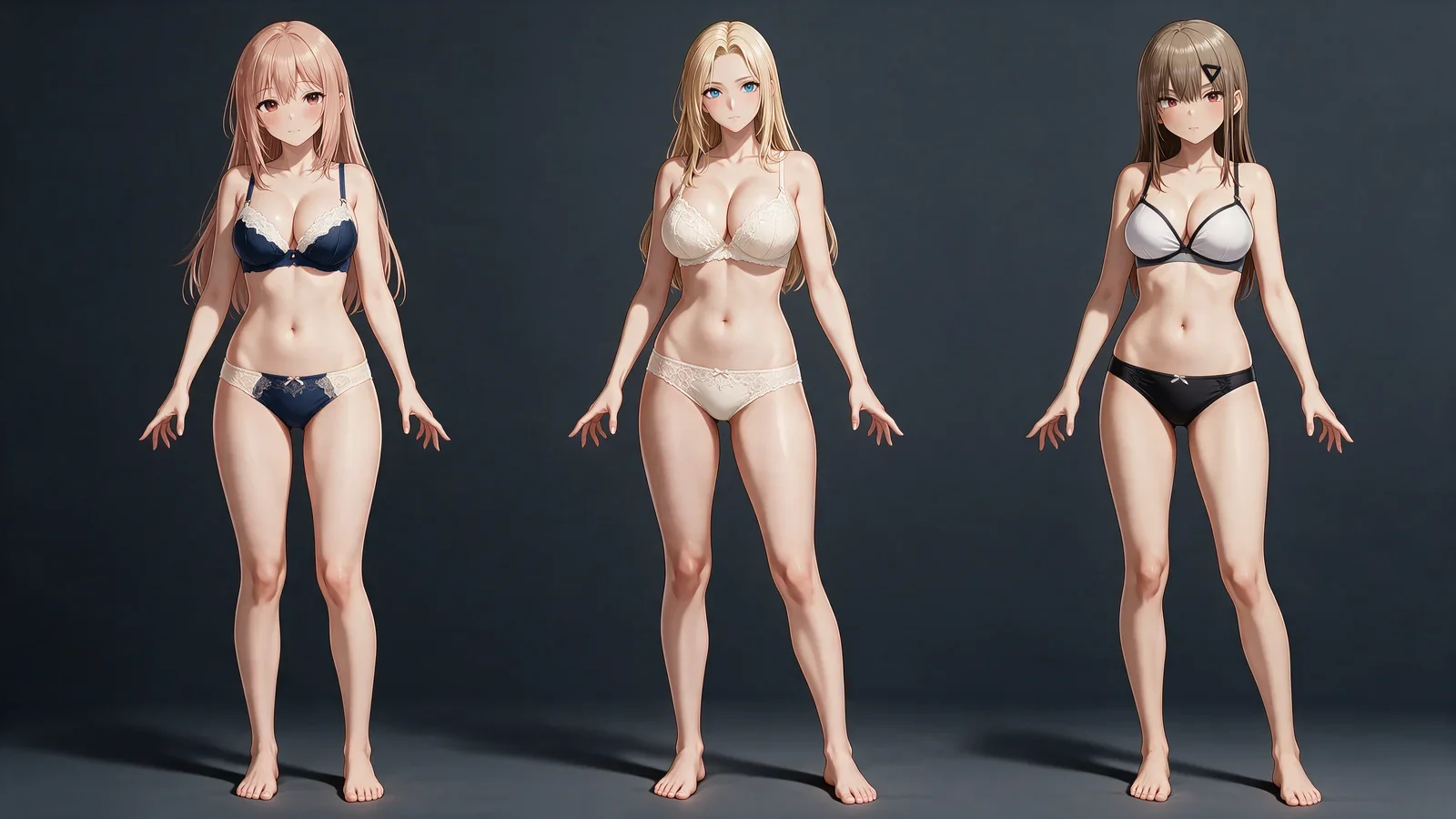
One practical piece of advice for anyone new to this field: start with a well-known base model like Stable Diffusion 1.5 or SDXL, then add a LoRA that has been trained on anime content. Do not jump straight into the most explicit custom models. You will get better results if you understand how the base model behaves first. The NSFW AI Image Undress Generator is not a magic wand. It is a specialized application of the same diffusion technology that powers everything from DALL-E to Midjourney. If you treat it as such, you will have a much easier time controlling the output and avoiding the common pitfalls of distorted anatomy or inconsistent lighting.
In the end, the value of any AI art tool comes down to how well it serves your creative vision. The NSFW AI Image Undress Generator is a vivid example of how far the technology has come, but it is also a reminder that the human behind the prompt still matters. The best results come from people who understand the models, respect the boundaries of consent and legality, and use the tools to express something real.